Stonemasonry
Sille stone quarried from the valley was the foundation of both its buildings and its crafts. That cut-stone workmanship is still legible in the churches and mansions.
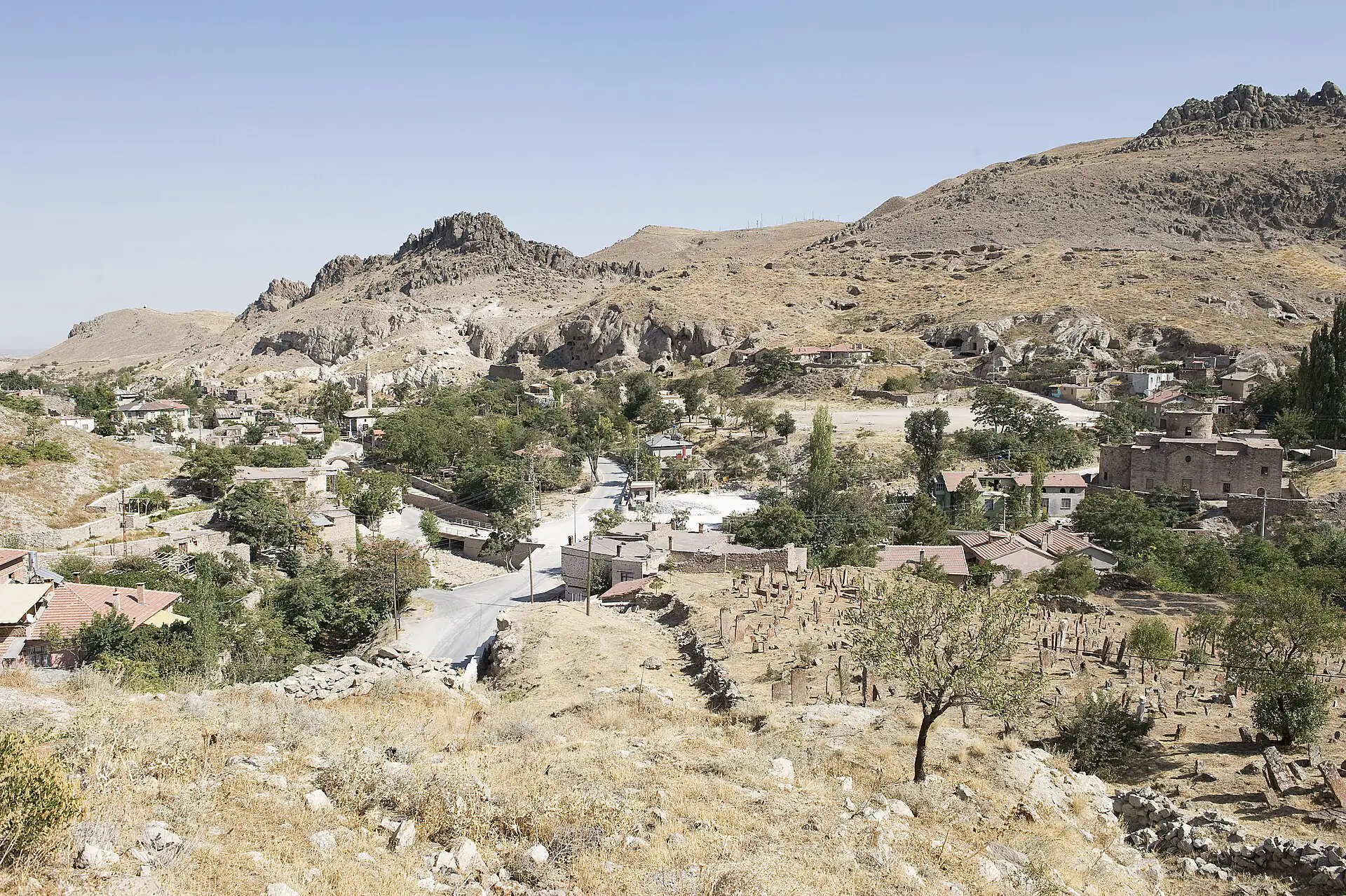
A settlement that runs from the Hittites to Byzantium, from the Seljuks to the Republic. Rock-cut churches, stone bridges and houses of cut Sille stone — just eight kilometres from the city centre.
What is Sille?
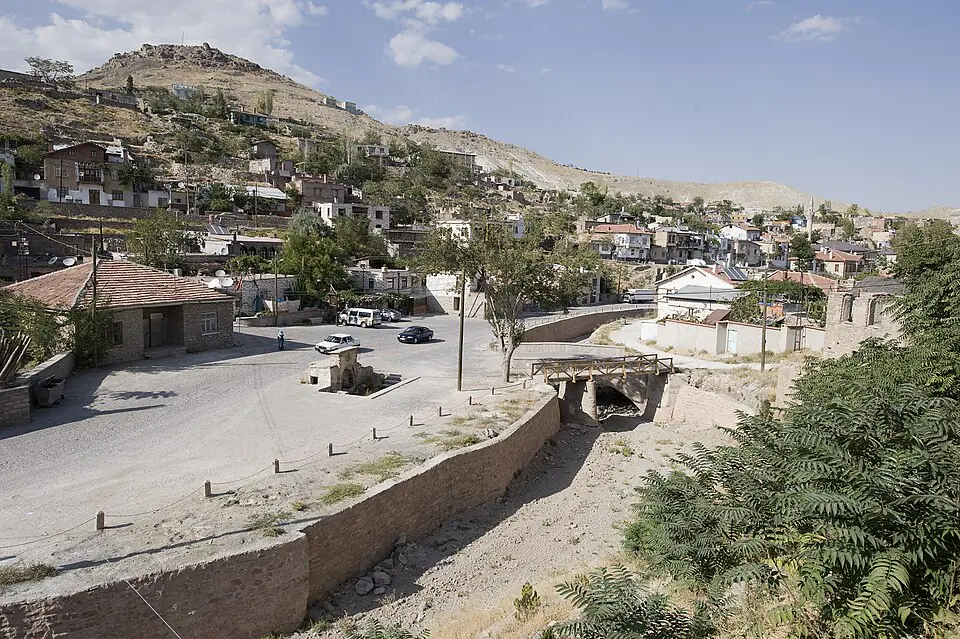
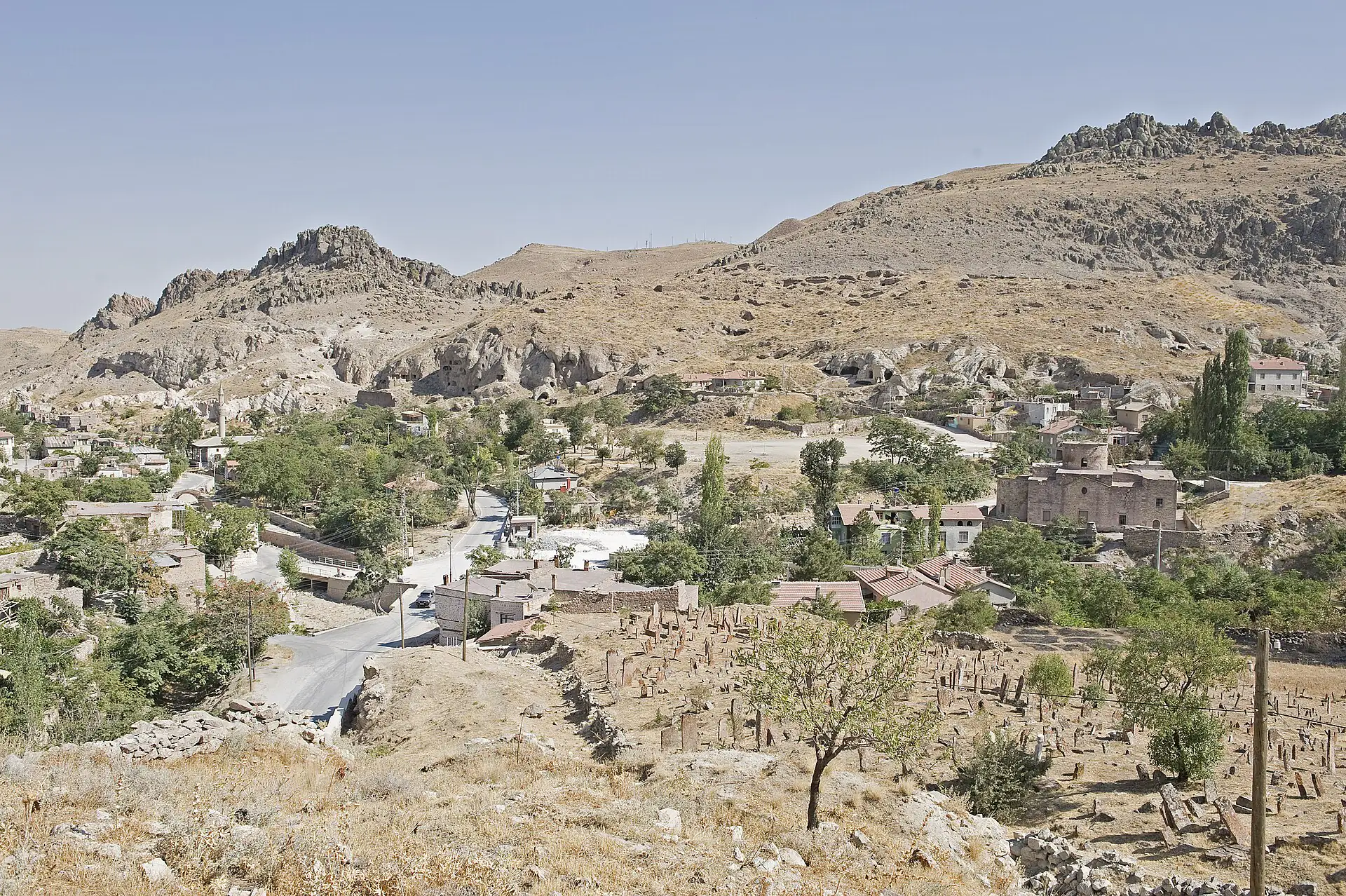
Sille sits in the narrow valley between Takkeli Mountain and Karabuğa Mountain. The settlement leans on two streets running parallel to the stream: Hükümet Street to the north, Baraj Street to the south. Between them lie stone bridges and paved lanes with a water channel running down the middle.
But the real story here is less about architecture than about neighbourliness. For centuries Greeks, Orthodox Turks and Muslims lived in the same valley — often on the same street. A mosque stands across from a church; a fountain sits beside a holy spring.
Read Sille's history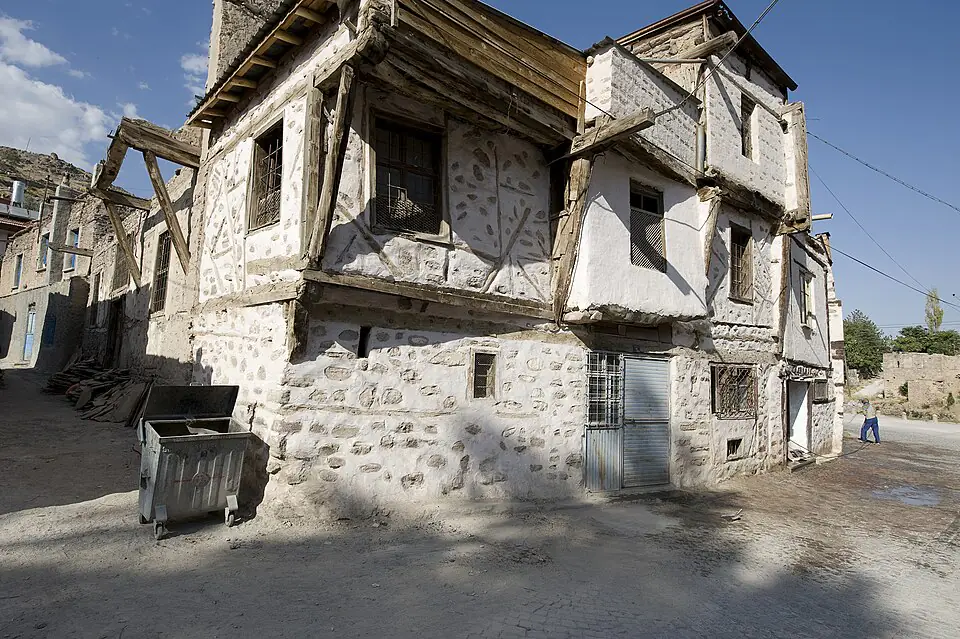
By the numbers
1.115m
Metres above sea level. The valley is a cool pocket above the Konya plain.
1.710m
The summit of Takkeli Mountain, where Gevale Castle stands. The whole plain is visible from up here.
18.000
Muslims and Christians living together in the valley before the population exchange.
3.700
Today's population. Sille is a neighbourhood now, but its fabric survives.
Highlights
Small enough to walk in half a day, layered enough to deserve a full one.
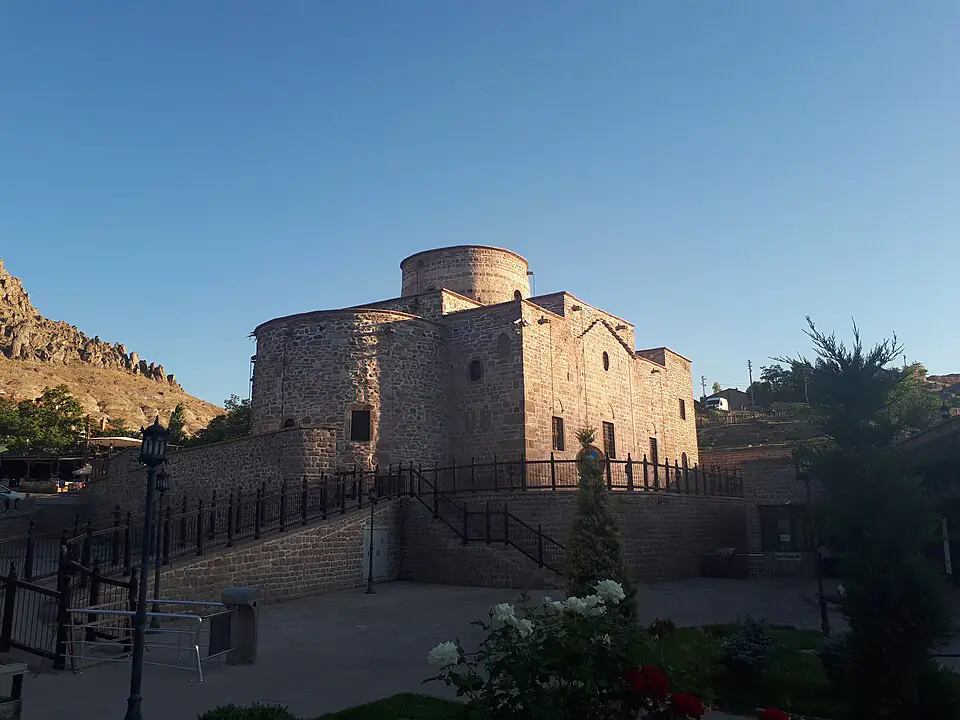
A three-naved building of cut Sille stone, its main dome resting on four elephant-foot piers. Free entry.
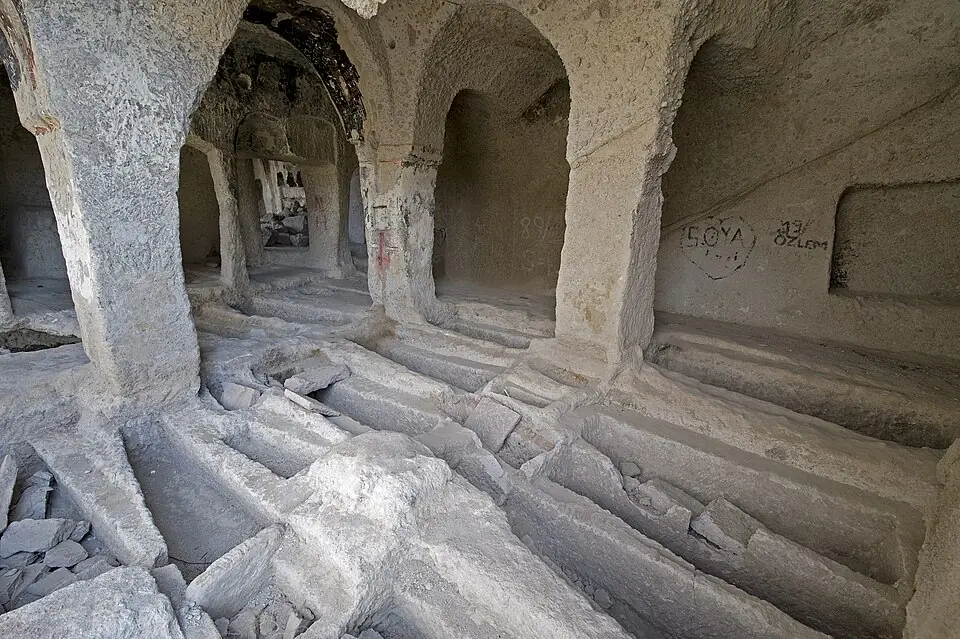
Chambers, chapels and burial rooms carved into the valley slopes.
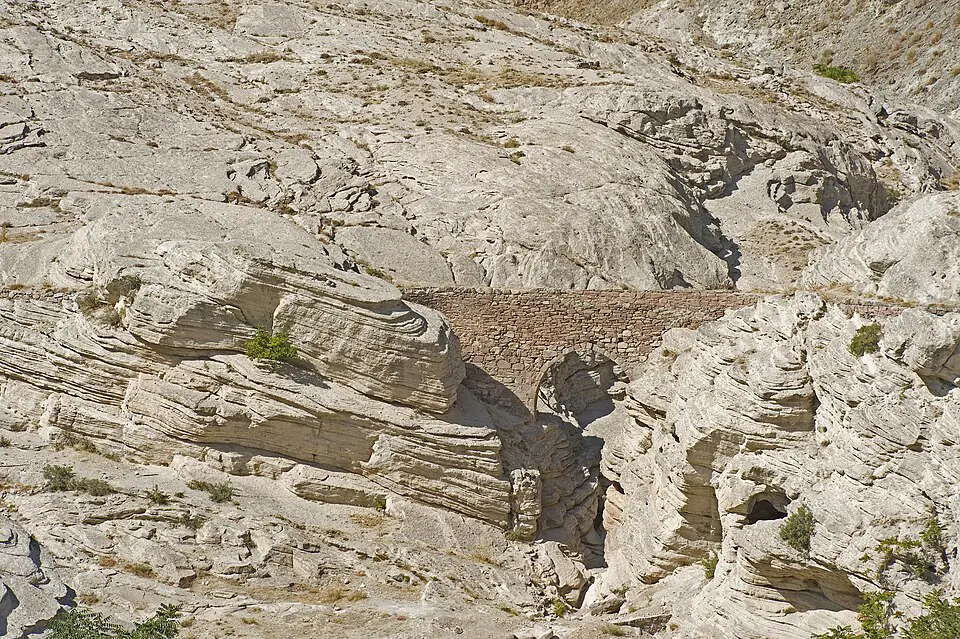
Bridges linking the two banks — among them the Devil's Bridge.
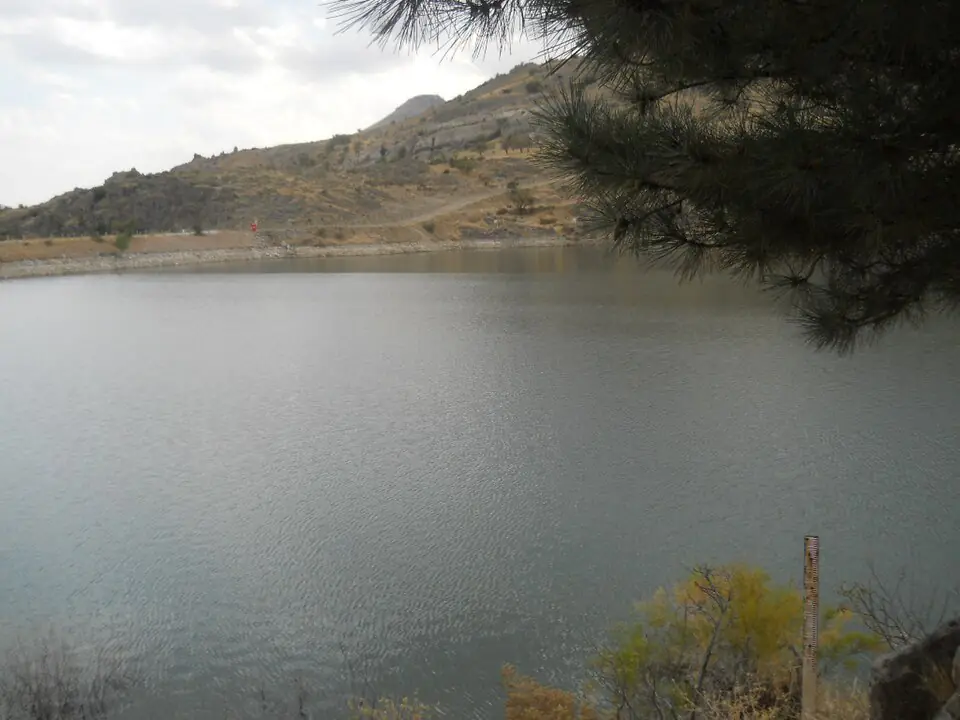
The most open spot in the valley, best for walking and for sunset.
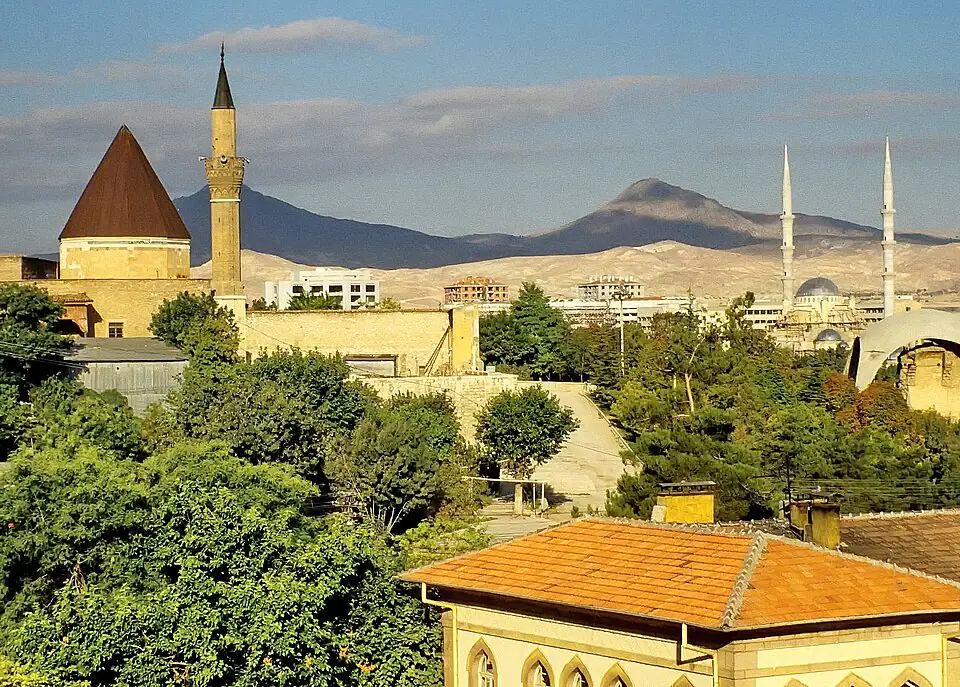
A Seljuk-era defensive point on the summit of Takkeli Mountain.
1923
In the population exchange that followed the Treaty of Lausanne, Sille's Greek population was sent to Greece; Turks from Western Thrace were settled in their place.
Eighteen thousand people lived in this valley before the exchange. Sille never returned to that number.
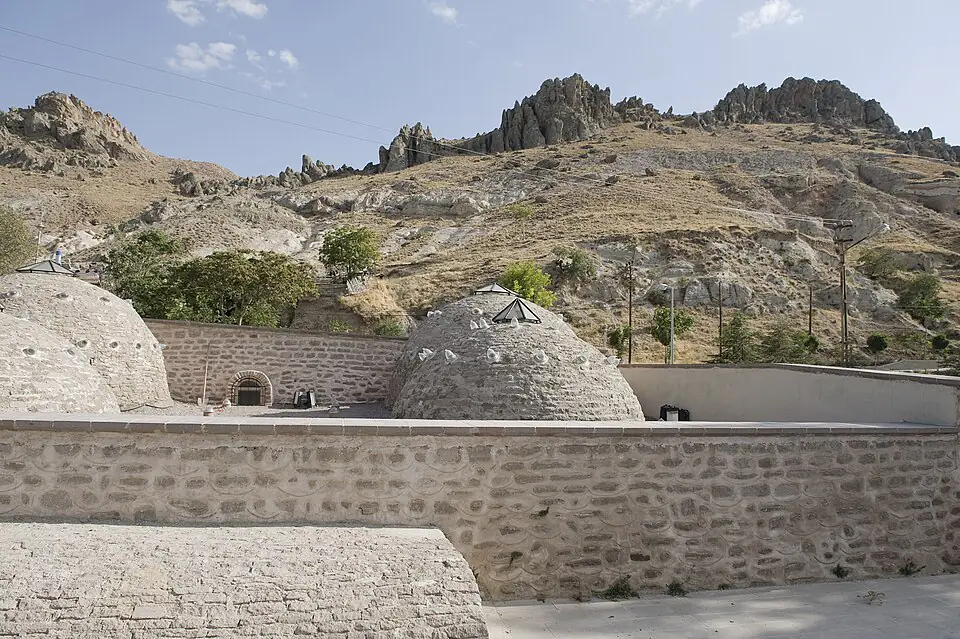
The looms, the potters' wheels and the candle workshops fell silent along with the people who left. What remained was stone: churches, mosques, bathhouses and homes.
Read the exchange chapter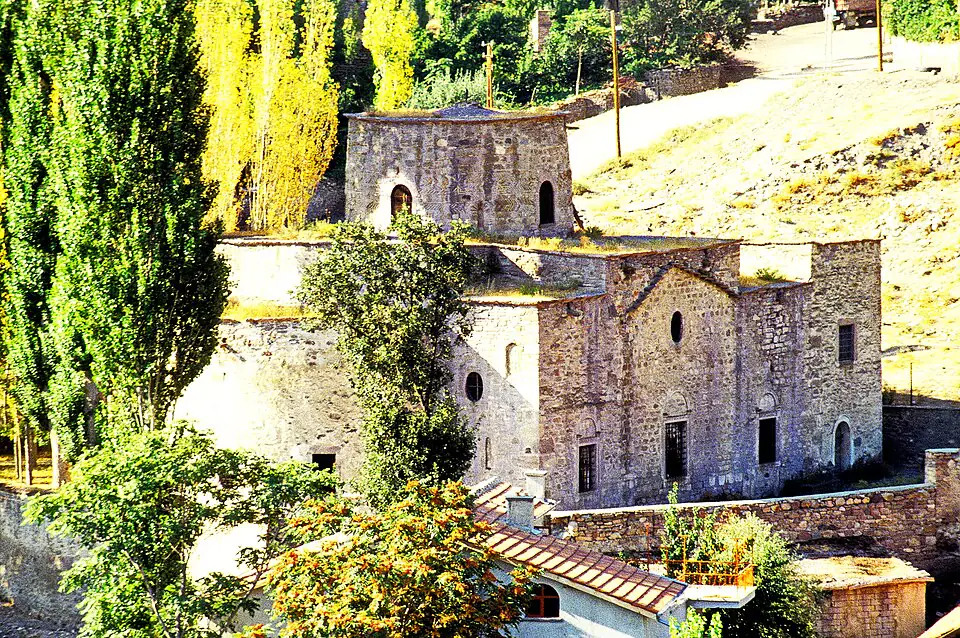
Meryem Ana Church, 1991. Photo: Volker Höhfeld (CC BY-SA 4.0)
Crafts
Until the middle of the 19th century Sille was a prosperous settlement that lived on trade and handwork. Its position on the Silk Road kept the valley crowded and cosmopolitan.
Sille stone quarried from the valley was the foundation of both its buildings and its crafts. That cut-stone workmanship is still legible in the churches and mansions.
The Sille carpet was the region's best-known product. Looms stood on the ground floors of houses, most often worked by women.
The clay soil of the valley fed a pottery trade. Jugs, jars and casseroles went from here to the markets of Konya.
The vines shading the doorways were not decoration but production. Candle-making survived on the constant demand of the churches and the bazaar.
Getting there
Roughly 20–25 minutes from the city centre on bus lines 64 and 65. Tram connections, driving, parking and airport arrivals are all covered on the transport page.